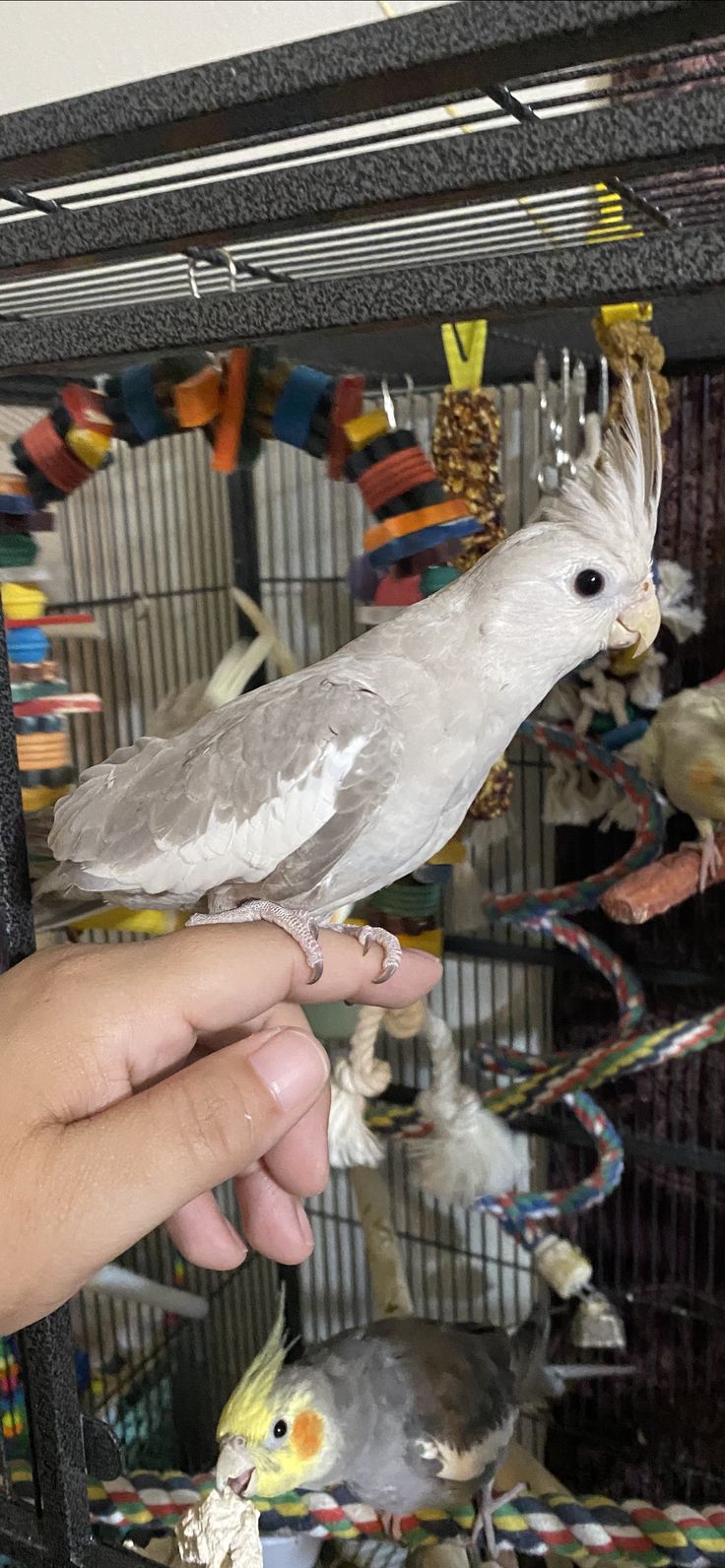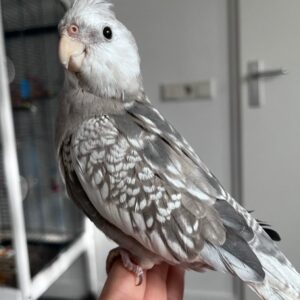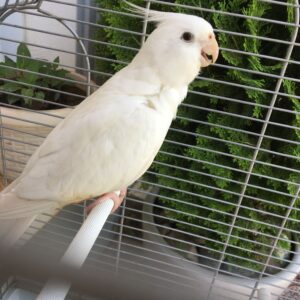
Male White-faced Cockatiel Parrot for sale
🕊️ White-faced Cockatiel – Breed Description
-
Scientific Name:
Nymphicus hollandicus (mutation: White-faced)
Origin:- Native to Australia (like all cockatiels), but the White-faced mutation was first bred in captivity in the early 1960s, likely in Europe or the U.S.
Key Physical Features
TraitDescriptionFace ColorPure white or silvery-gray (no orange cheek patches)Body ColorShades of gray, silver, or whiteCrestProminent and usually white or light grayEyesDark (typically black or deep brown)Beak/FeetLight graySex DifferencesMales: whiter face; Females: more muted or gray face
White-faced Cockatiels do not have any yellow or orange pigments, unlike normal grey or lutino cockatiels.
White-faced Varieties
The White-faced gene can combine with other mutations:
- White-faced Lutino → All-white bird with red eyes (also called “albino,” though not a true albino)
- White-faced Pearl
- White-faced Cinnamon
- White-faced Pied
Genetics
- White-faced is a sex-linked recessive mutation.
- To produce White-faced offspring, both parents must carry the gene.
Personality & Behavior
Like all cockatiels, White-faced varieties are known for being:
- Affectionate and gentle
- Social and intelligent
- Can learn to whistle tunes and mimic sounds
- Enjoy handling and shoulder time
Size & Lifespan
- Length: 11–13 inches (28–33 cm)
- Weight: 90–120 grams
- Lifespan: 15–25 years (with proper care)
Care Needs
- Diet: High-quality pellets, vegetables, seeds (sparingly)
- Enrichment: Toys, foraging activities, social interaction
- Cage: Minimum 24”W x 18”D x 24”H
- Daily Out-of-Cage Time: 1–2 hours at least

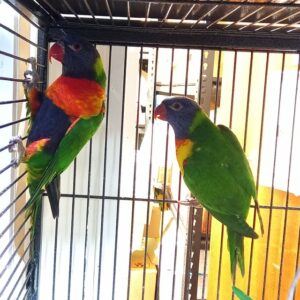
Rainbow lorikeets for sale, 10-month-old pair
Purebred Ragdoll kittens, 9 weeks old
Adorable 3-month-old Ragdoll cat – male