
Uncategorized
Sugar Glider Price Guide 2026: Complete Cost Breakdown & Buying Tips
Sugar Glider Price Guide 2026: Complete Cost Breakdown & Buying Tips
Last Updated: January 2026 | Reading Time: 12 minutes
By the Exotic Pets Team – With contributions from licensed exotic animal veterinarians and experienced sugar glider breeders
Quick Answer: Sugar gliders typically cost $150-$500 for standard gray varieties, while rare colors like black sugar gliders can reach $600-$1,500. However, the true cost of ownership including cages, wheels, food, and veterinary care ranges from $800-$1,200 in the first year alone.
In This Guide:
- Current Sugar Glider Prices by Color
- Where to Buy Sugar Gliders Safely
- Complete First-Year Cost Breakdown
- Essential Equipment Checklist
- USDA Breeder Requirements
- Monthly Care Costs
Current Sugar Glider Prices in 2026 {#current-prices}
How Much Do Sugar Gliders Cost? The Real Numbers
If you’re searching „how much are sugar gliders“ or „sugar glider price,“ here’s what you’ll actually pay in 2026:
Standard Gray Sugar Gliders: $150-$300
- Most common variety
- Widely available from breeders
- Best option for first-time owners
Leucistic (White) Sugar Gliders: $400-$700
- Beautiful pale coloring
- Moderately rare
Black Sugar Gliders: $600-$1,500
- Highly sought-after melanistic variety
- Limited availability drives higher prices
- Same care requirements as standard colors
Albino & Creamino Varieties: $500-$900
- Distinctive red eyes (albino) or dark eyes (creamino)
- Require same care as other colors
Platinum & Mosaic Patterns: $700-$1,200
- Unique color combinations
- Bred by specialized breeders
Price Factors That Affect Sugar Glider Cost
The cost of a sugar glider depends on several key factors:
- Age – Joeys (babies) 8-12 weeks old command premium prices
- Color Genetics – Rare mutations cost significantly more
- Breeder Reputation – USDA licensed breeders charge more but provide health guarantees
- Gender – Females sometimes cost $50-100 more due to breeding value
- Lineage – Documented bloodlines increase price
- Bonding Status – Hand-raised, well-socialized gliders cost more
Important: Never choose a sugar glider based solely on price. A $100 sugar glider from an unknown source may have health issues costing thousands in veterinary bills.
Where to Buy Sugar Gliders: Finding Reputable Sources {#where-to-buy}
USDA Licensed Sugar Glider Breeders – What You Need to Know {#usda-breeders}
When searching for „sugar glider breeders near me“ or „where can I buy a sugar glider near me,“ prioritize USDA licensed facilities. Here’s why:
What USDA Certification Means:
- USDA approved sugar glider breeders must pass regular facility inspections
- USDA certified sugar glider breeders maintain proper housing, nutrition, and veterinary care
- USDA licensed sugar glider breeders follow strict animal welfare standards
- Annual inspections ensure compliance
How to Verify USDA Status:
- Ask for their USDA license number
- Check the USDA Animal Care public search tool
- Request documentation before making deposits
Where Can You Buy a Sugar Glider? Your Options
1. Licensed Breeders (RECOMMENDED)
- Pros: Health guarantees, socialized animals, ongoing support
- Cons: Higher prices, may require travel
- Average cost: $250-$500
2. Exotic Pet Stores
- Pros: See animals in person, immediate availability
- Cons: Often lack breeding knowledge, limited health history
- Average cost: $200-$400
3. Online Exotic Pet Retailers When looking for sugar gliders for sale online, verify:
- Complete health documentation
- Comprehensive health guarantees
- Breeder licensing and credentials
- Customer reviews and testimonials
4. Rescue Organizations
- Pros: Save a life, lower adoption fees ($50-150)
- Cons: May have behavioral issues, unknown health history
- Best for experienced owners
Red Flags When Buying Sugar Gliders
🚩 Breeder won’t allow facility visits 🚩 No health guarantee or veterinary records 🚩 Selling joeys under 8 weeks old (too young to be separated) 🚩 Unable to provide USDA license when required 🚩 Prices significantly below market ($50-100 range) 🚩 Pressure to buy immediately without research time 🚩 No questions about your experience or housing setup
Complete First-Year Cost Breakdown {#cost-breakdown}
Sugar Glider Initial Setup Costs
| Item | Cost Range | Notes |
|---|---|---|
| Sugar Glider Purchase | $150-$1,500 | Depends on color/genetics |
| Cage | $150-$400 | Minimum 24″x24″x36″ |
| Sugar Glider Wheel | $40-$100 | 12″+ diameter, solid surface |
| Pouches & Sleeping Areas | $30-$60 | Multiple needed |
| Food Dishes & Water Bottles | $20-$40 | BPA-free materials |
| Toys & Enrichment | $50-$100 | Rotating selection |
| Initial Veterinary Exam | $75-$150 | Essential health check |
| Food Supplies (first month) | $40-$60 | Fresh produce, protein, supplements |
| Cage Bedding | $20-$30 | Fleece liners preferred |
Total First-Year Cost: $575-$2,440
Most Common Setup (Standard Gray): $800-$1,200
Essential Sugar Glider Equipment Guide {#equipment}
Sugar Glider Cages: Sizing & Setup
Minimum Cage Requirements:
- Single Glider: 24″W x 24″D x 36″H
- Pair of Gliders: 30″W x 18″D x 36″H (better: 24″x24″x48″)
- Bar Spacing: Maximum 1/2 inch to prevent escapes and injuries
Best Cage Features:
- Vertical orientation (gliders love height)
- Multiple levels and platforms
- Easy-access doors for cleaning
- Powder-coated metal (avoid galvanized wire)
- Removable bottom tray
Top Recommended Cages (2026):
- Prevue Hendryx Earthtone Dusted Rose: $180-220
- Yaheetech 69″ Wrought Iron: $150-190
- Midwest Critter Nation (modified): $250-350
Sugar Glider Wheels: Critical Safety Features
A sugar glider wheel is non-negotiable – these active marsupials need serious exercise. However, many wheels are dangerous.
Safe Wheel Requirements:
- Minimum 12″ diameter (15″ better for adults)
- Solid running surface (no wire mesh or bars)
- No center axle (tail entrapment hazard)
- Quiet operation for nighttime use
- Stable attachment to cage
Recommended Wheels:
- Exotic Nutrition Silent Runner (12″ or 15″): $50-80
- Raptor Wheel (12″): $60-75
- Stealth Wheel (15″): $80-95
AVOID: Wire wheels, wheels with center bars, wodent wheels (too small)
Sugar Glider Kitchen Setup
The term „sugar glider kitchen“ refers to your dedicated food prep area. These omnivores need fresh food daily.
Essential Kitchen Supplies:
- Small cutting board (dedicated to glider food)
- Sharp knife for chopping produce
- Food scale for portion accuracy
- Ice cube trays for meal prep/freezing
- Small storage containers (glass or BPA-free plastic)
- Blender for smoothie-based diets
Popular Diet Plans:
- BML (Bourbon’s Modified Leadbeater’s): Requires blender, ice cube trays
- TPG (The Pet Glider): Pre-made pellets + fresh food
- Critter Love Complete: Powder mixed with water
- HPW (High Protein Wombaroo): Australian-based complete diet
Sugar Glider Treats: What’s Safe?
Sugar glider treats should comprise less than 10% of daily diet:
Safe Treats:
- Small amounts of plain yogurt
- Mealworms (4-6 per day maximum)
- Cooked egg
- Small pieces of chicken
- Dried fruits (sparingly – high sugar)
TOXIC – Never Feed:
- Chocolate
- Grapes/raisins
- Garlic/onions
- Processed human foods
- Cat/dog food as primary diet
Monthly Care Costs: Budgeting for Sugar Glider Ownership {#monthly-costs}
Ongoing Sugar Glider Expenses
Monthly Food Costs: $20-$40
- Fresh fruits and vegetables: $10-15
- Protein sources (eggs, chicken, insects): $8-12
- Calcium/vitamin supplements: $5-8
- Diet base (BML, TPG, etc.): $5-10
Quarterly Expenses ($15-$25/month averaged):
- Bedding replacement: $20-30 every 3 months
- Toy rotation: $30-50 every 3 months
- Cage accessories: $20-40 every 3 months
Annual Veterinary Care ($20-$50/month averaged):
- Wellness exam: $75-$150 annually
- Fecal testing: $40-$60 annually
- Emergency fund allocation: $100-$300 annually
Utility Costs: Sugar gliders need ambient temperature of 75-80°F, potentially increasing heating bills in winter.
12-Year Ownership Total: $5,000-$10,000+
Sugar Glider Lifespan & Long-Term Commitment
How Long Do Sugar Gliders Live?
The lifespan of a sugar glider in captivity: 12-15 years with proper care. Some have lived beyond 17 years.
This extended lifespan means:
- Over a decade of daily food preparation
- 12+ years of nighttime activity and noise
- Long-term veterinary relationship needed
- Commitment through life changes (moving, family, career)
Before buying, ask yourself:
- Can I commit to 15 years of specialized care?
- Will I still want this pet in 5 years? 10 years?
- Can I afford veterinary emergencies?
- Do I have exotic vet access in my area?
How to Care for a Sugar Glider: Essential Requirements
Daily Care Checklist
Every Evening (when they wake):
- Fresh water
- Remove previous night’s food
- Prepare fresh diet
- Bonding time (minimum 2 hours)
- Out-of-cage exercise in safe space
- Health check (eyes, nose, activity level)
Weekly Tasks:
- Clean food dishes thoroughly
- Spot-clean cage
- Rotate toys
- Trim nails if needed
- Weigh glider (track health)
Monthly Tasks:
- Deep clean entire cage
- Wash all pouches and bedding
- Replace worn toys
- Cage safety inspection
Social Needs: Why You Need Two
Sugar gliders are colony animals – in the wild, they live in groups of 10-15. A single glider can develop:
- Depression
- Self-mutilation
- Aggressive behavior
- Health decline from stress
Recommendation: Purchase sugar gliders in pairs. While this doubles your initial sugar glider cost, it:
- Provides essential social companionship
- Reduces behavioral problems
- Improves overall health and lifespan
- Decreases pressure on you to provide constant attention
Pair Pricing: Most breeders offer discounts for pairs ($250-$400 total vs. $150-$200 each separately)
Sugar Glider Colors: Understanding Genetics
Sugar glider colors are created through selective breeding genetics:
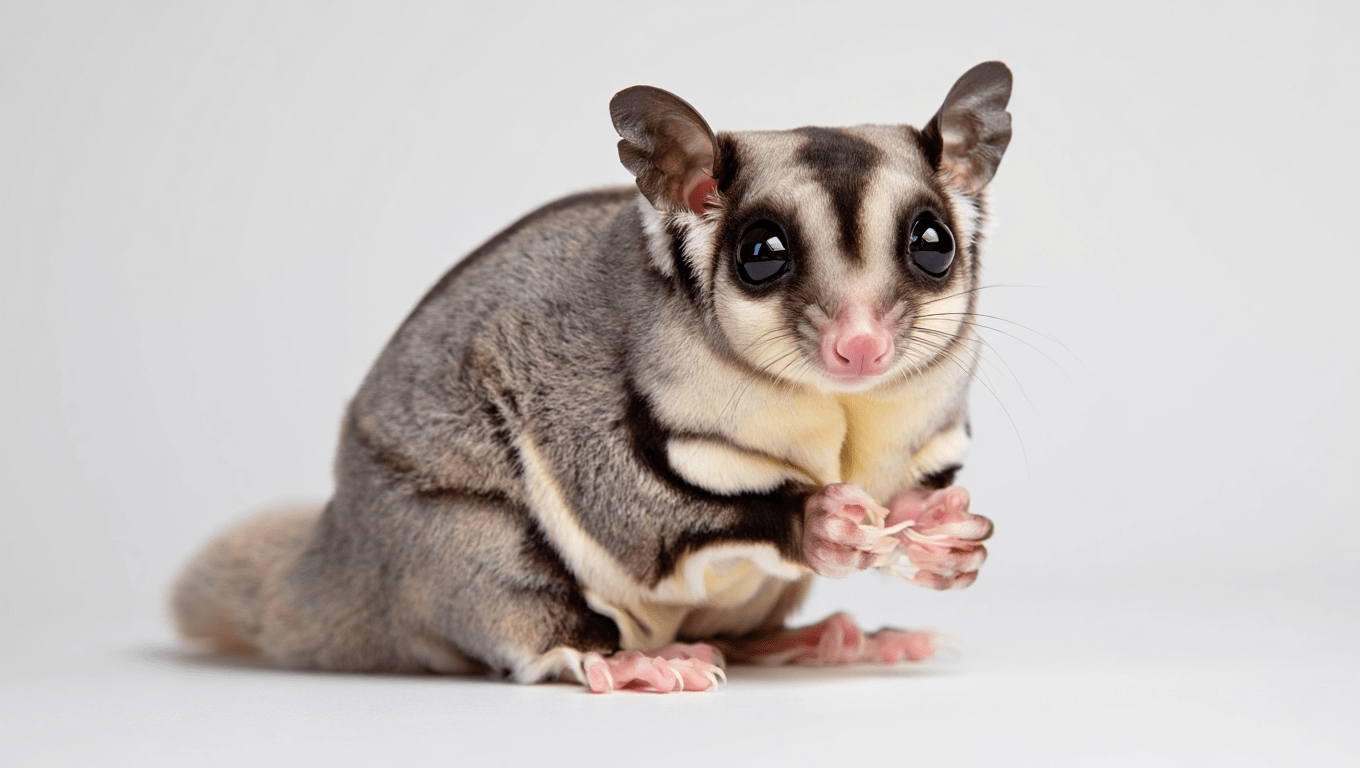
Standard Gray (Wild Type):
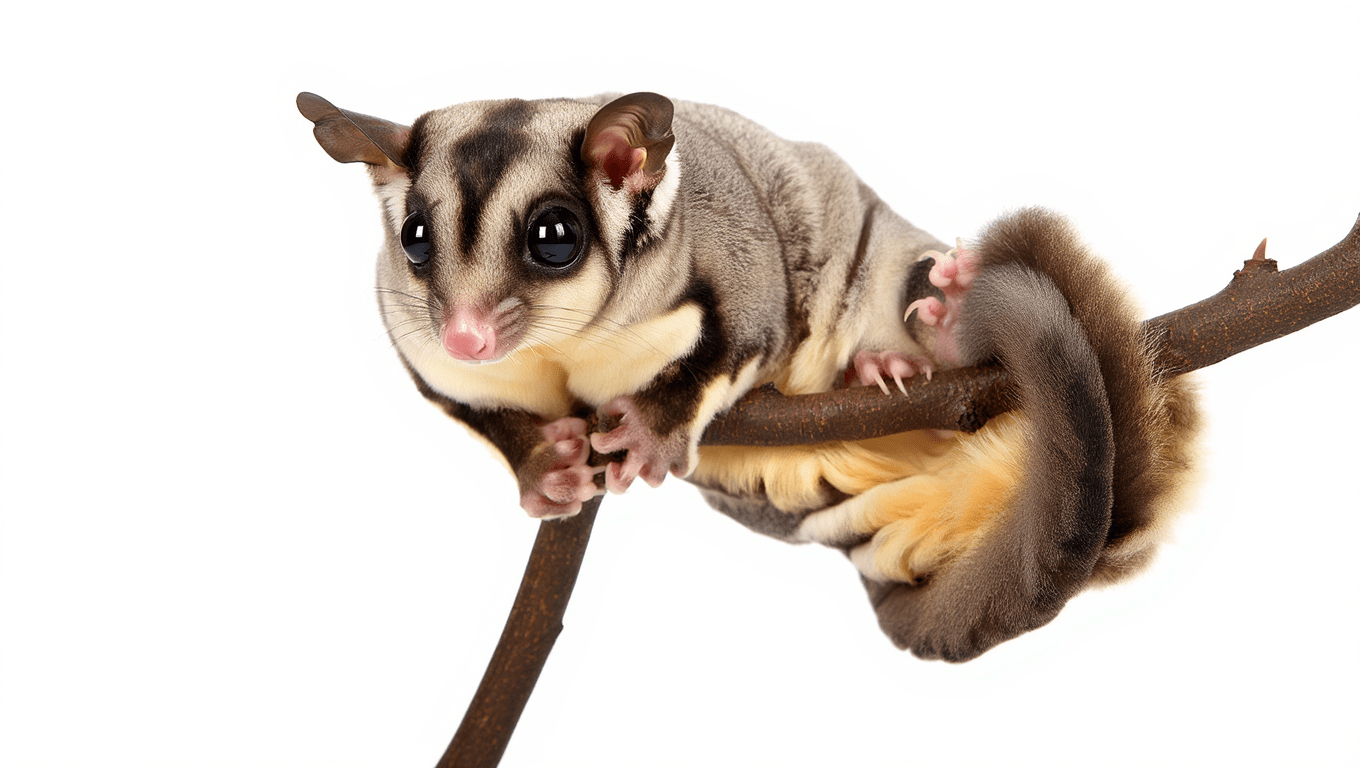
- Gray body with black dorsal stripe
- Cream-colored belly
- Large, dark eyes
- Most common, generally healthiest
Leucistic:
- Mostly white with faint markings
- Dark eyes (not albino)
- Beautiful appearance
Black (Melanistic):
- Dark charcoal to black coloring
- Retains some gray undertones
- Rare and expensive
Color Mutations Don’t Affect:
- Care requirements
- Diet needs
- Temperament
- Health (though inbreeding can be a concern)
Sugar Glider Teeth: Dental Health
Sugar gliders have 40 teeth, including prominent incisors. Understanding sugar glider teeth helps prevent problems:
Dental Issues:
- Overgrown incisors from soft diet
- Tooth decay from high-sugar foods
- Gum disease
Prevention:
- Provide hard foods and chew toys
- Avoid excessive sugary treats
- Annual dental checks during vet visits
- Watch for drooling or eating difficulty
Legal Considerations & Housing Requirements
Where Are Sugar Gliders Legal?
Prohibited States:
- California
- Alaska
- Hawaii
- Pennsylvania (permit required)
- Massachusetts (permit required)
Check Local Laws: Even in legal states, some cities/counties ban exotic pets. Always verify before purchasing.
Finding „Sugar Glider for Sale Near Me“
Search Strategy:
- Google: „USDA licensed sugar glider breeders [your state]“
- Join Facebook groups: Sugar Glider Guardians, Sugar Glider Community
- Check specialty forums: GliderCentral.net, The Glider Initiative
- Visit exotic pet expos
- Contact exotic veterinarians for breeder referrals
- Browse verified exotic pet sellers
What to Ask Breeders:
- How long have you been breeding sugar gliders?
- Can I see the parents?
- What health guarantee do you offer?
- What diet do you use/recommend?
- Will you provide ongoing support?
- Are your gliders parent-raised or hand-raised?
Frequently Asked Questions
Q: How much do a sugar glider cost in total? A: Initial purchase ($150-$1,500) + setup ($400-$800) + first year care ($500-$800) = $1,050-$3,100 first year. Ongoing: $400-$700 annually.
Q: Where to buy a sugar glider near me safely? A: USDA licensed breeders, reputable exotic pet stores with health guarantees, or sugar glider rescues. Avoid Craigslist, flea markets, and unlicensed sellers.
Q: What is the price for a sugar glider pair? A: $300-$800 for standard grays, $800-$2,000 for rare colors. Pairs often receive breeder discounts.
Q: Do sugar gliders smell? A: Males have scent glands but odor is minimal with weekly cage cleaning. Diet affects odor significantly.
Q: Are sugar gliders good pets for kids? A: No. They’re nocturnal, fragile, require complex care, and can bite when frightened. Best for dedicated adults.
Q: How do you take care of a sugar glider? A: Daily fresh food preparation, 2+ hours bonding time, weekly cage cleaning, annual vet visits, and lifelong commitment to their social and physical needs.
Final Recommendations: Is a Sugar Glider Right for You?
You’re Ready for a Sugar Glider If:
✅ You can commit 12-15+ years ✅ You’re home evenings (they’re nocturnal) ✅ You can budget $50-70/month for care ✅ You have exotic vet access ✅ You’re prepared for nighttime activity/noise ✅ You’ll purchase a pair (not single glider) ✅ You’re willing to prepare fresh food daily ✅ You have adequate space for large cage ✅ Sugar gliders are legal in your area
Reconsider If:
❌ You work night shifts ❌ You travel frequently ❌ You’re unprepared for long-term commitment ❌ You want a cuddly, daytime pet ❌ You’re on a very tight budget ❌ You have no exotic vet nearby ❌ You want a pet for children
Where to Buy: Trusted Sources
When you’re ready to purchase, prioritize:
- USDA Licensed Breeders – Highest standards, health guarantees
- Reputable Exotic Pet Retailers – Comprehensive support and documentation
- Sugar Glider Rescues – Save a life (experienced owners only)
Never buy from:
- Classified ads without verification
- Sellers refusing facility visits
- Anyone offering prices „too good to be true“
- Unlicensed backyard breeders
Start Your Sugar Glider Journey
Sugar gliders are extraordinary animals that can bring 15 years of joy to the right owner. The sugar glider price is just the beginning – your real investment is time, dedication, and love.
Next Steps:
- Join online sugar glider communities for real owner experiences
- Locate exotic vets in your area
- Research diet plans thoroughly
- Connect with multiple breeders
- Prepare your home and budget
- Make an informed decision
Ready to find your perfect sugar glider? Explore available sugar gliders from certified sources and begin this unique journey with confidence.
Resources & Further Reading:
- The Pet Glider: Comprehensive care guides
- Sugar Glider Info: Diet and nutrition resources
- Veterinary Partner: Medical information
- GliderCentral: Community forum and breeder directory
Disclaimer: This guide provides general information. Always consult with a licensed exotic animal veterinarian for specific health advice. Prices are estimates based on 2026 market research and may vary by location.
About This Guide: Created by exotic pet specialists with input from licensed veterinarians and experienced sugar glider breeders. Updated January 2026 to reflect current prices and best practices.
